Developers in Uganda are building an app that uses MedGemma without needing an internet connection, according to Google’s September 23 report. The app, called EaseHealth, is being developed for community health workers. That’s a useful detail in places where a steady connection can’t be taken for granted.
MedGemma is Google’s family of models for working with medical text and images. Developers can download and adapt them rather than only using a finished service. Google calls the models a starting point for building healthcare applications, with testing and changes needed for the intended job.
Google is also clear about a limit that matters here: the model’s answers are preliminary and aren’t intended to directly guide diagnosis, patient management or treatment. They need independent checking and clinical correlation, meaning they have to be considered alongside the actual clinical information. An encouraging project report doesn’t change that restriction.
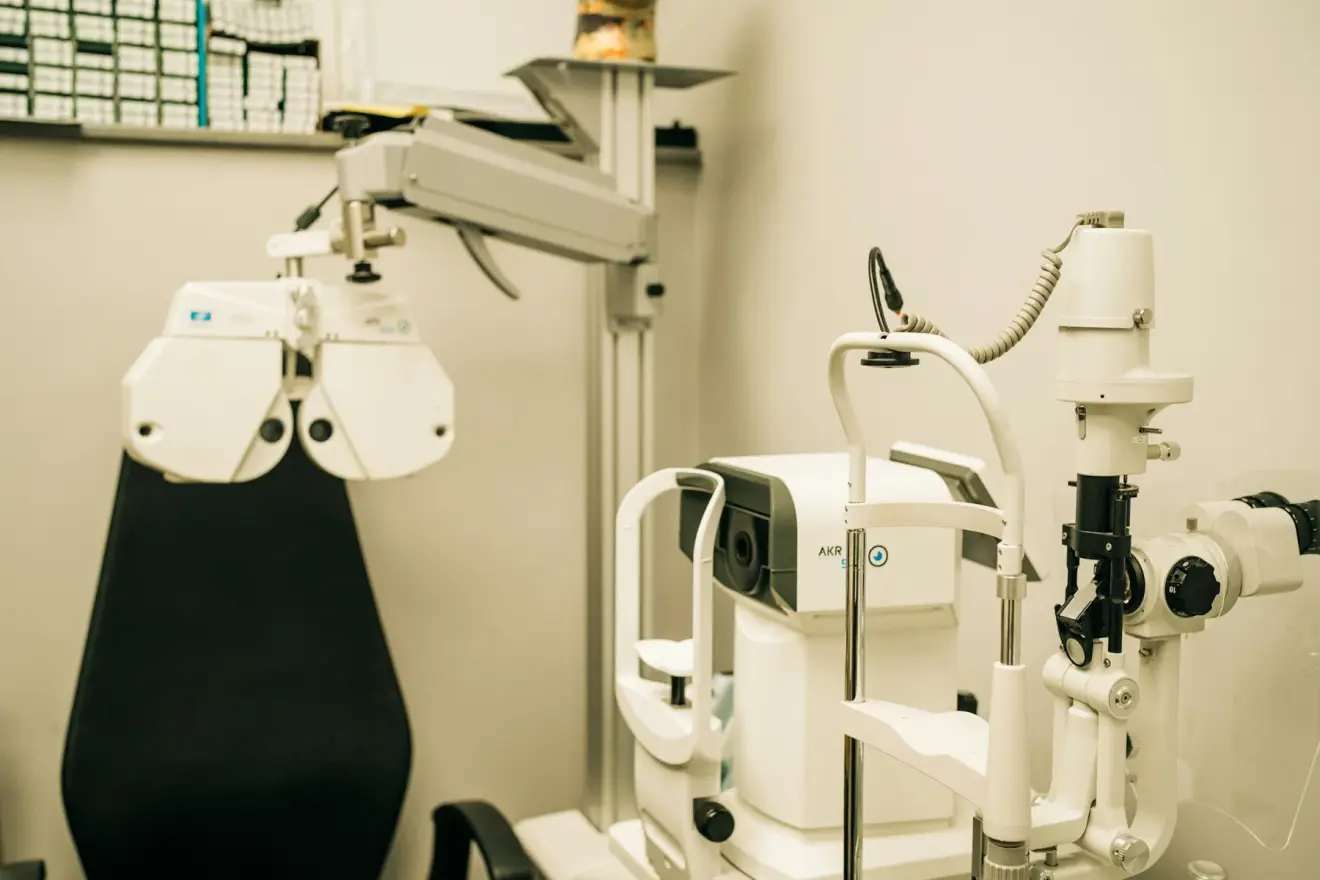
In India, Visilant is incorporating MedGemma into its eye-screening work. Google reports that Visilant’s broader program has screened more than 50,000 people. That isn’t a count of people screened with MedGemma. A separate Google project page describes a planned randomized trial getting started, not completed evidence that it improves care.
What I like about these projects is that local teams can work on the problems in front of them. An app has to fit the services people can actually reach. If a screening suggests someone needs more care, where can that person go, and who helps them get there?
Being able to run the model locally gives a team more choices. It doesn’t automatically keep information private or make an application ready for clinical use. The complete system still needs to be tested where it will be used.
I’d like to see follow-up reports that explain what happened after screening: whether people reached the next service, what staff had to correct, and where the tool helped.