NVIDIA wants AI agents to take on bigger jobs without giving them the ability to rewrite their own rules. Its Open Agent Safety Platform, announced September 28, puts controls outside the agent’s reach.
OpenShell, the software part, limits which files and services an agent can use. An agent could read from GitHub, for example, while being blocked from changing anything there. Passwords and keys can stay outside its working environment, with the system adding them only to approved requests.
If the agent needs more access, it can ask. Human review is the default, and the agent can’t approve its own request. I like that approach. A blocked action becomes a decision someone can review instead of a reason to give the agent unrestricted access.
OpenShell also checks what its permission rules allow. That doesn’t prove the whole system can never fail, and NVIDIA says analysis across cooperating agents is still being developed. OpenShell is available now under the Apache 2.0 open-source license.
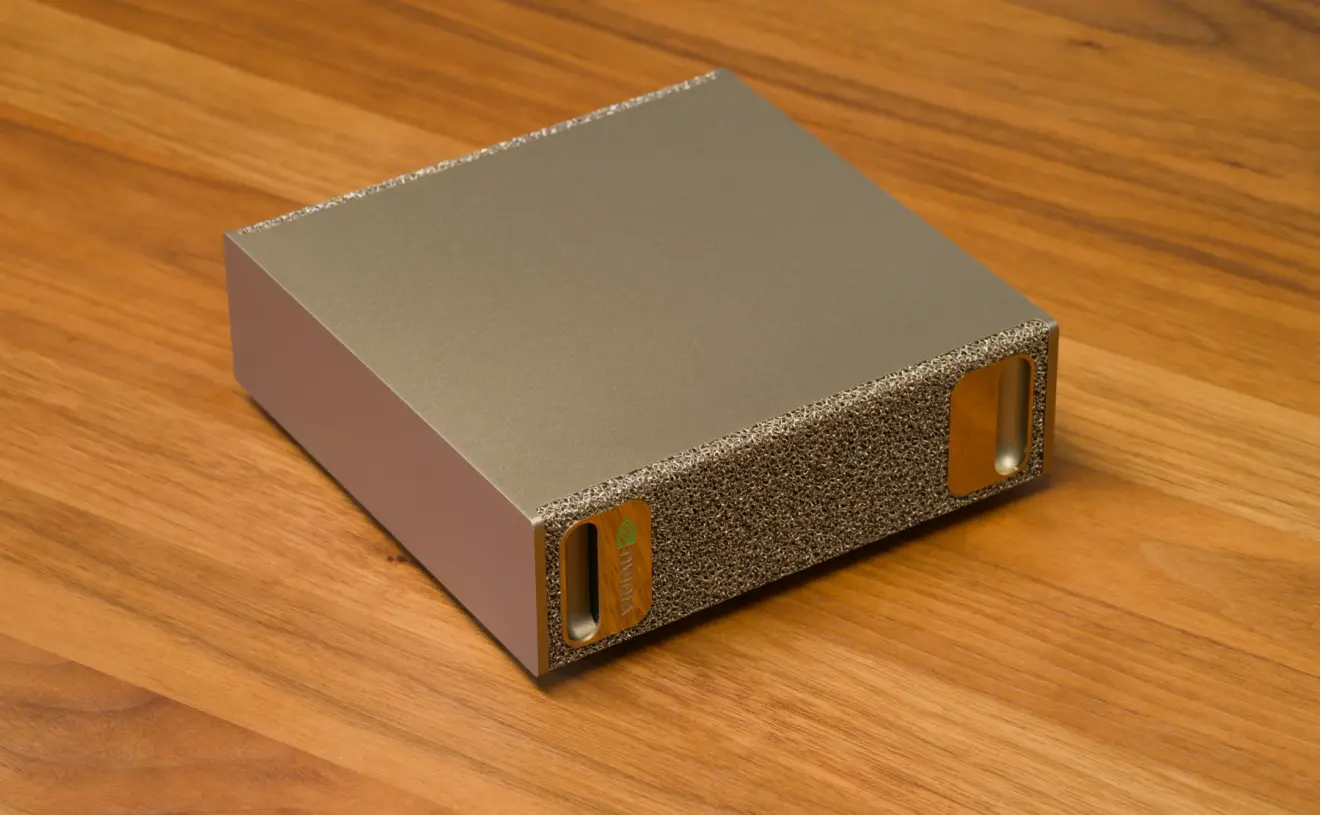
Sentry is a separate, optional hardware design using NVIDIA’s BlueField-4 processors. NVIDIA says it can monitor and interrupt agents even if the host computer’s software is compromised. The New Stack reports that Sentry is proprietary with open APIs; OpenShell’s open-source license doesn’t cover it. It also needs the right infrastructure, so this isn’t something everyone can install on a laptop.
I want agents to do more useful work. Giving them access for a particular job, with someone else controlling the limits, makes sense to me. How well these tools hold up in actual use is what we’ll need to watch.
Sources
- NVIDIA: Open Agent Safety Platform announcement (September 28, 2026)
- NVIDIA: OpenShell runtime controls and policy verification
- NVIDIA: Sentry and the hardware monitoring reference design
- NVIDIA OpenShell: source code, documentation and Apache 2.0 license
- Frederic Lardinois, The New Stack: OpenShell and Sentry licensing and architecture