A young person can have an interest in technology without knowing anyone who works in it. An opportunity to take part in a real project can help make that interest concrete, particularly when the nearest employer or college is difficult to reach.
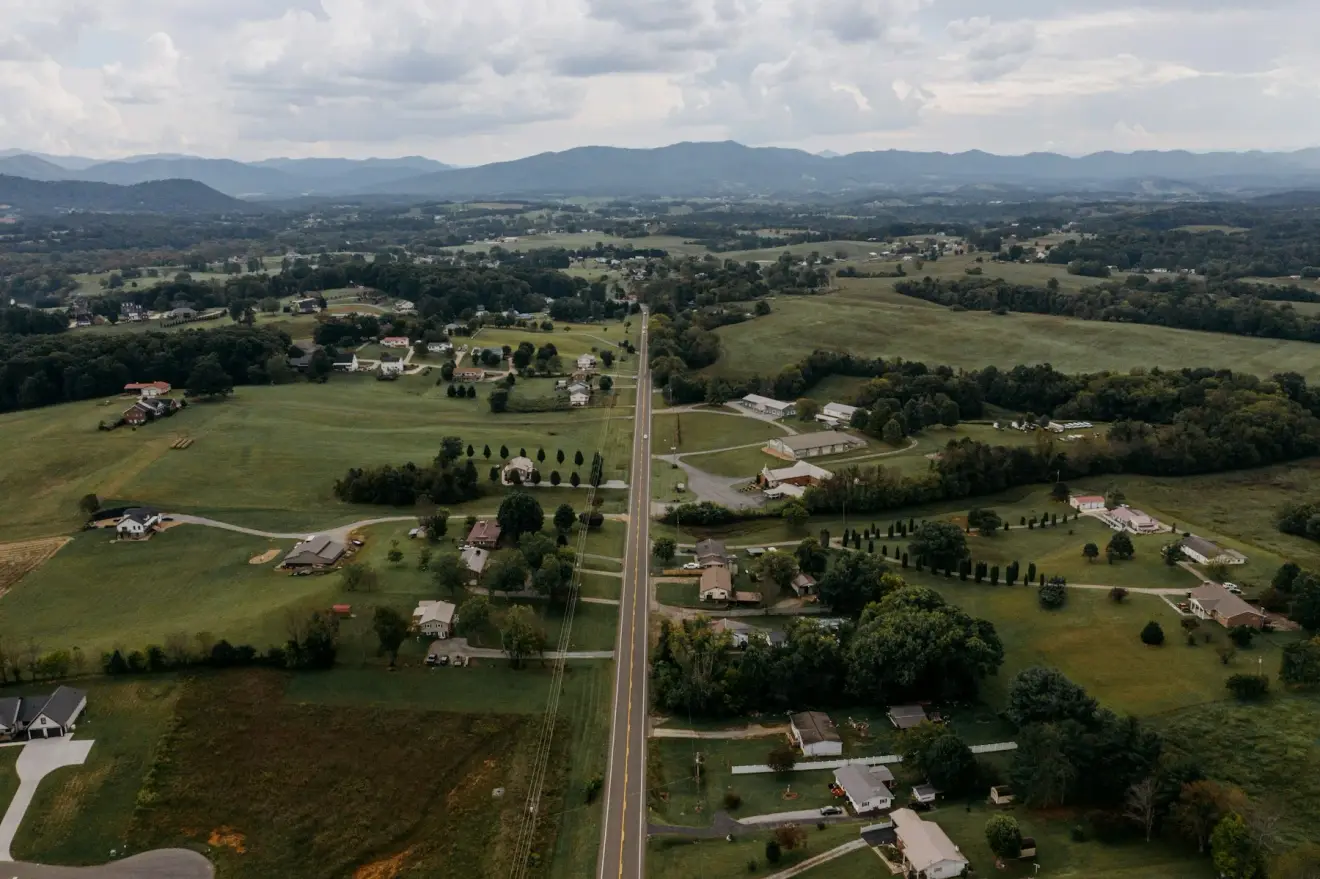
The Niswonger Foundation has announced a $160,000 Catalyze grant for Niswonger DataWorks. The project is intended to connect rural Tennessee high-school students with AI and data-science work experiences, college credit, and industry credentials. Remote work-based learning is part of the plan for students who might otherwise struggle to participate.
According to the foundation, current pathway partners include the University of Tennessee and seven high schools. It says the grant makes additional work-based learning partnerships possible with employers including Ballad Health and Bell Textron. Catalyze’s funding page also lists the foundation among its awardees. These are plans for implementation and testing, not evidence of completed placements or improved earnings.
Experience can clarify a calling
What interests me is the chance to discover an ability through responsibility. A student may enjoy a classroom exercise but learn much more when someone else needs the result. They have to understand the question, explain their work, and respond when the first attempt doesn’t solve the problem.
From a Christian understanding of vocation, ordinary work is one place where people learn to use their gifts in service to others. A teenager doesn’t need a complete career plan before beginning. A well-supported assignment can help reveal what they enjoy and where they need to grow. It can also help them discover that the technical role isn’t the right fit, while another contribution is.
Earlier exposure gives students time to make those discoveries before committing to a degree or career. The opportunity matters even when the answer changes their direction.
The quality of the assignment matters
Remote access can remove a travel barrier, but students still need someone available when they get stuck. An employer should provide a project with a clear purpose and a supervisor who has time to explain what good work looks like. Schools need to know what the student is learning, beyond whether a task was finished.
AI makes that supervision particularly important. A student should be able to explain how an output was checked and what remains uncertain. Using a tool successfully includes recognizing when its answer doesn’t hold up. As products change, that habit will remain useful.
I’d judge the program by the work students actually get to do. Do they receive meaningful feedback? Can they describe a problem they helped solve? Do the promised credits and credentials follow, and what opportunities become available afterward? Those questions give a more useful basis for evaluation than an assumed return on investment.
This builds on the wider question of how community institutions can help people enter the AI economy. For rural communities, the possibility is especially worth pursuing: a student may discover a way to contribute close to home that they couldn’t previously imagine. DataWorks deserves attention as that possibility is put to the test.